-
 Continue reading →: I Don’t Need a Microphone, I’ll Speak Up!
Have you ever said this? If you have, I want you to rethink. You probably think you’re a decent person (and you probably are!), but you are being rude by saying this. Huh, you might ask? I also put some microphone tips in this essay!
-
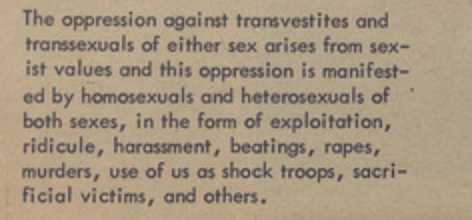 Continue reading →: Trans Folk are not Your Fucking Shock Troops: What can Cis People do?
I see pictures of a protest. It can be about just about anyone’s rights, maybe nothing that directly addresses trans rights, and in the street and there are dozens, hundreds, or even thousands of people. But what draws my attention isn’t the crowd size. It is who is at the…
-
 Continue reading →: You Want to Take Away my Window
I am autistic. I’ve always been autistic, and I always will be autistic. Autism is part of who I am, just as my sense of humor and my emotions are part of me. I like who I am, even my autistic part. You see, autism isn’t an awful condition. I’m…
-
 Continue reading →: My Proudest Childhood Moment (and a bit on labels)
It was the last day of elementary school, and I was in the principal office. Was I not going to be allowed to graduate elementary school? But lets take a step back, and see how I got there. When I went to school, elementary students would do the “Presidential Physical…
-
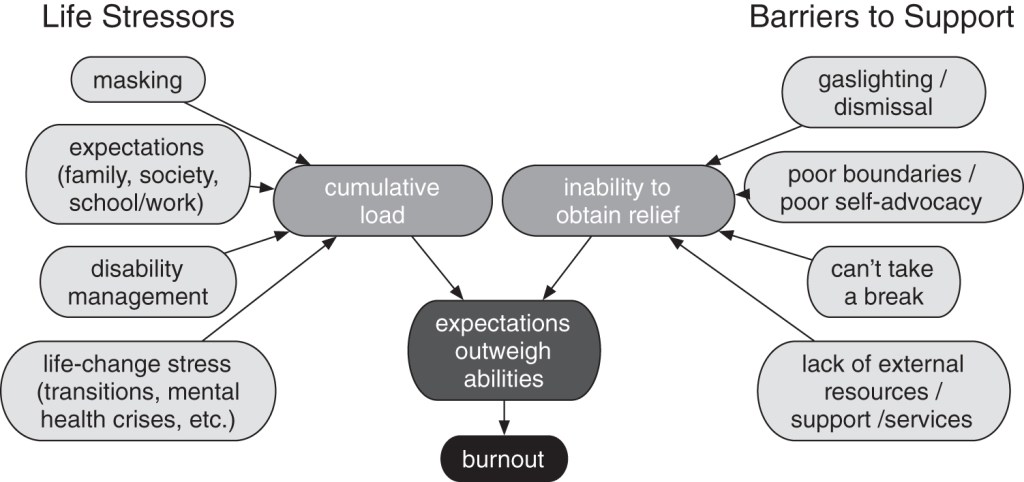 Continue reading →: Eating During Evil Times
We need to eat. This article is for people that are finding that hard. I’ve been there, and I can give some suggestions (that said, I’m not a doctor, therapist, or nutritionist, so take my advice with appropriate caution). This advice is not for people who can consistently prepare and…
-
 Continue reading →: Communication Speed Mismatches
Think about what makes something accessible. You probably think of ramps and elevators, and maybe you think of things like sensory needs. What about communication speed? Communication speed can be just as much of a barrier as a set of stairs, particularly for some autistic or neurodivergent folk.
-
 Continue reading →: Rage, Rage Against the Dying of the Light!
But not just rage. I want you to dance with me. With apologies to Dylan Thomas, as I read about yet another one of Trump’s cruel orders, I’m angry. I’m angry at those who voted for cruelty, I’m angry at those empowering the cruelty, and I’m angry at those who…
-
 Continue reading →: The Weird Biology of the Transphobia’s Experts
A couple years ago, I took a upper division biology class as part of my gender studies degree. The class focused on the biology of women (and, by extension, biology of human sexual difference in general), and I chose to look at the biology of transphobia for my final project.…
-
 Continue reading →: “Yes, it’ll be accessible!”
When you show up, you’ll probably also hear, “why are you angry?” “These words “It’ll be accessible” doesn’t mean what it says. If you are disabled, and you hear this phrase, what it really means is, “Our assistant manager knows someone with a disability, and they did just fine at…
Hello,
I’m Joelle

Hello! I’m a trans+autistic blogger with a background in tech, who writes about trans rights, disability justice, feminism, and scientific research that intersects these things. That’s a lot, I know, but these things connect in fascinating ways, and I hope to share the connections I see!
Get Notified!
Stay updated by joining my newsletter.
Tags
ableism Accessibility adhd Allyship auditory processing disorder Autism Bad Science bad suggestions bible biology book bans christianity contagion cooking Creationism Disability dna dog whistle education executive functioning friendship Gender Gender Roles Genetics Health inclusion Joy LGBT LGBTQ Neurodiversity politics Protest rage rapid onset Resistance Safety Science Sex Differences Sex Differentiation south carolina Support supports trans Transgender Transphobia
 Gendered Thoughts