We had questions about showers and bathrooms. We had questions about shelters and services. We had questions about bars and nightclubs. We had questions about jails and detention. We had questions about ponds and spas.
Had questions about self identification. Had questions about name changes. Had questions about legal gender. Had questions about travel docs.
Questions about hormones. Questions about blockers. Questions about surgery.
About universities. About libraries.
We had questions. We had to do something. And now that space is blank.
I see pictures of a protest. It can be about just about anyone’s rights, maybe nothing that directly addresses trans rights, and in the street and there are dozens, hundreds, or even thousands of people. But what draws my attention isn’t the crowd size. It is who is at the front: more often than not, trans folk will be among the vanguard of the protest. These trans folk know how trans folks are treated by police and the criminal justice system. Yet they are the ones in front. It is time for others to step up for us.
A couple years ago, I took a upper division biology class as part of my gender studies degree. The class focused on the biology of women (and, by extension, biology of human sexual difference in general), and I chose to look at the biology of transphobia for my final project. It was wild: so much bad understanding cloaked in language that looks like it’s plausible to someone ignorant of any biology concepts introduced after middle school–but absolutely weird if you’ve studied almost any college-level biology of sexual difference.
Photo by Thirdman on Pexels.com (Because everyone knows biology has color if we’re going to show pictures of it, right?)
While I am not a biologist (ask me about computer networks, not how bees reproduce!), I did learn enough in this to question the credentials of transphobia’s experts. If an undergrad in gender studies can do this, I can only imagine how an actual biologist trained in human sex differentiation would respond!
Me: “We need to leave. Now.” Him: “Huh?” Me: “Just…let’s go. Really.” Him: “What?” Me: <exasperated whisper> “Don’t you see the way I’m being looked at? We need to leave.” Him: “Nobody is looking at you!” Me: <annoyed whisper> “Yes they are, and I’m going to leave without you if you don’t come with me.”
I’m a trans woman. He’s a cis man. But I bet many of my readers have been on one side of this conversation–and likely both sides–at some point in their lives, regardless of their gender history. Maybe it wasn’t about gender, but about skin color, the language being spoken, religious dress, disability, class, or else entirely. One person knows something is wrong, the other can’t see it.
It’s related to a film trope–there’s a bar, there’s some music playing, but when the protagonist walks in, the needle scratches and the record stops. You know something bad is about to happen. It is usually a lot more obvious that someone is out of place. It is them versus the bar.
Here’s one of my favorites:
Let’s think about this scene a bit though, at least the opening, as it doesn’t end like it might in real life.
South Carolina has implemented a book ban on books not “age or developmentally appropriate” that is intended to target books that challenge right-wing extremist thought. I.E. books about race, gender, sexuality, reproductive health, abuse, rape, and similar themes.
Once someone expresses a difference in public, others might realize that they, too, could express that difference, and that doing so might even improve their life, even though they’ll now be seen as different. For observers, this comes out of nowhere: suddenly this person has differences they didn’t have yesterday. What is up with that? Is it just people trying to be special and trendy?
Today, Nebraska’s governor signed a “Women’s Bill of Rights” executive order, making it the second state to do so (Oklahoma beat them to it). What do you think belongs in a Women’s Bill of Rights? If you guessed transphobia, and nothing else, you would get along with the governor. Let’s look at this order and imagine what an real Women’s Bill of Rights might look like.
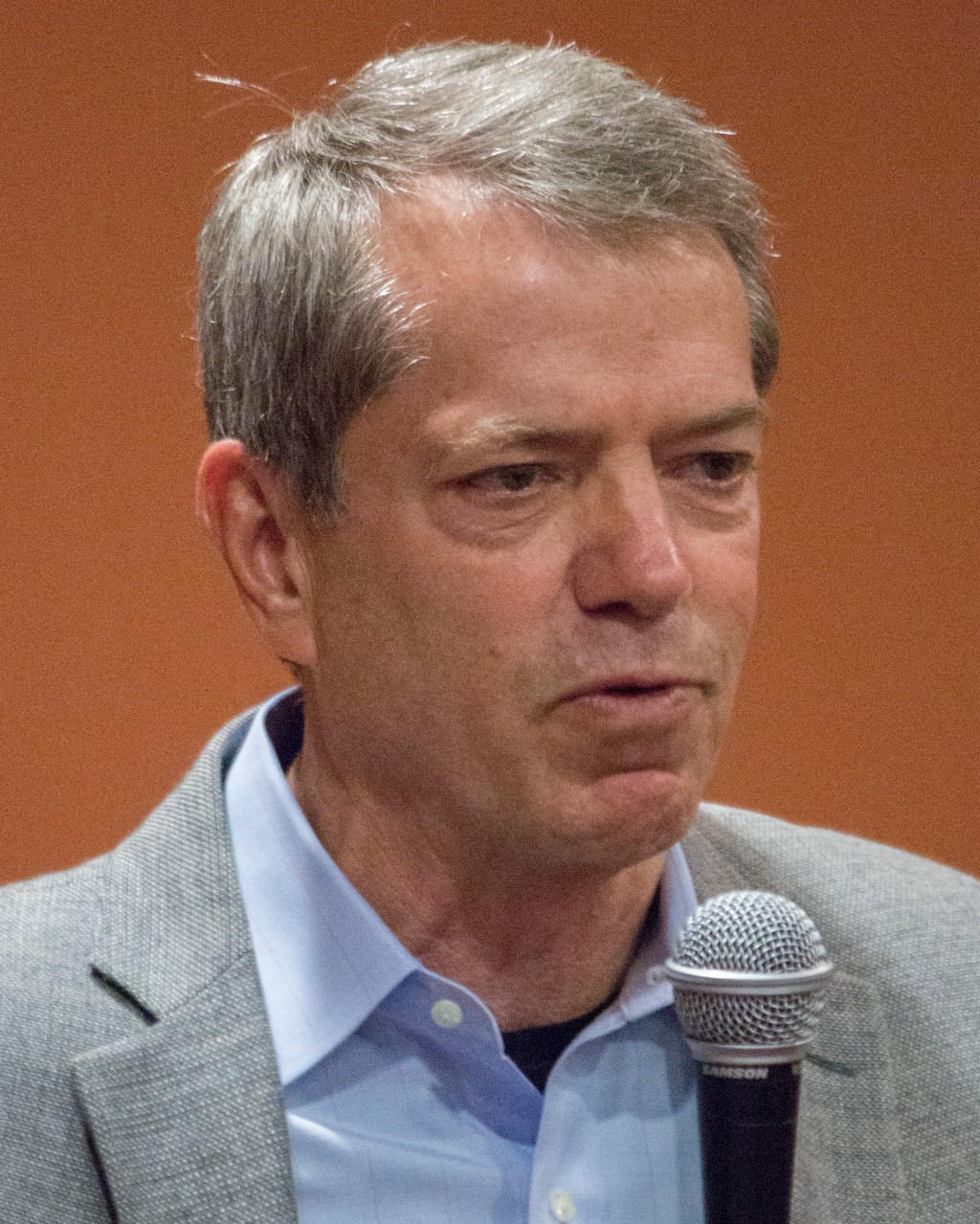
Jim Pillen, the transphobe in chief for Nebraska (Governor) Creative Commons Attribution 2.0 Generic, created by Right Cheer
So, I saw a headline that begins “major victory for women!”
Well, I’m a feminist women’s studies student (and also trans, but that just means I’ve had to think about gender a lot more than most people), so I think, “Oh, wow! A major victory! Have we stopped domestic violence? Is universal childcare available? Have we lowered the maternal death rate? Do we have a woman President? Are people taking wages for housework seriously? Did women win the right to bodily autonomy? Are we taking women’s health seriously? Is it now a requirement to design things like cars and tools for all humans, not just the default cis-man?”
You did what your majority party is known for: you took a complicated problem and simplified it to fit your ideology. As a post-op trans woman, I don’t usually question my gender, and it hasn’t come up in my home state or any of my travels when I’ve used the bathroom — I have long used the appropriate bathroom. But now, thanks to Florida’s hard work, Florida has determined I should pee and shower — vulva, breasts, and all —as a man.
I try to keep an eye on the world of transphobia, and, as an autistic person, I was particularly drawn to a Daily Wire (a right wing, transphobic website with dubious connections to truth created by Ben Shapiro) article on how autistic adolescents were helped with psychotherapy and no medical intervention, based on a recent study. Even writing this sentence, an astute reader will notice problems. But, I went beyond that and actually read the study.
Needless to say, I’ll be talking about transphobia and ableism. This is your content warning, if you’re not in a place where you want to deal with this stuff. You honestly don’t need to — there are enough of us who do, and your health is important.